Empowering Rohingya through Medical Training: Support Our LMAF Program
Welcome to our latest initiative on the Rohingya Hope Initiative (RHI) website, where we are committed to improving healthcare accessibility and quality for the Rohingya community through the Healthcare Training Project.
This vital program aims to empower individuals with crucial medical knowledge and skills, focusing on the Local Medical Assistant & Family Welfare (LMAF) course.
LMAF is a specialized 6-month training designed for rural medical practitioners, covering essential subjects such as Human Anatomy & Physiology, Pharmacology, Practice of Medicine, First Aid, and Preliminary Microbiology & Pathology.
Total Student
We aim to support 100 students in
enrolling and studying LMAF
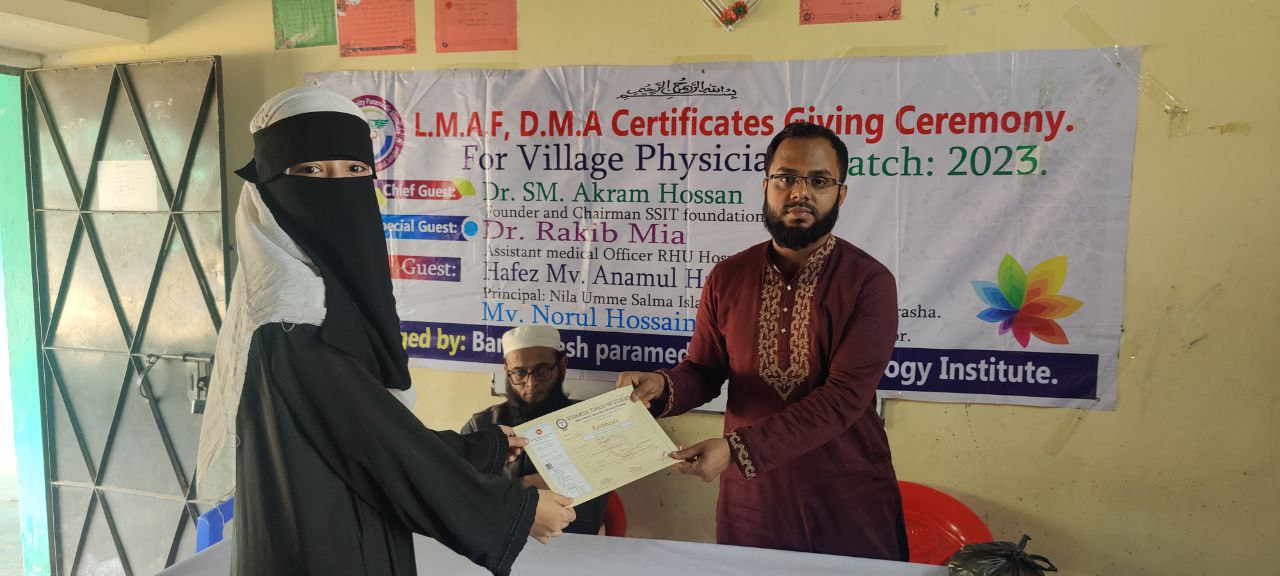
The importance of this initiative cannot be overstated. By supporting more Rohingya to enroll in and complete the LMAF course, we are not just facilitating their ability to aid and support fellow refugees; we are also opening doors for them to become self-dependent professionals. The success stories of last year’s LMAF graduates, who were supported by RHI, stand as a testament to the transformative impact of this program. These dedicated individuals are now on the front lines, providing critical healthcare services to their communities.

Total Student
We urgently appeal to your generosity to continue this momentum. Your donation can change lives by enabling more aspiring medical practitioners to receive the training they need. Together, we can build a healthier future for the Rohingya refugees. Support our cause and be a part of this noble journey towards empowerment and self-sufficiency.