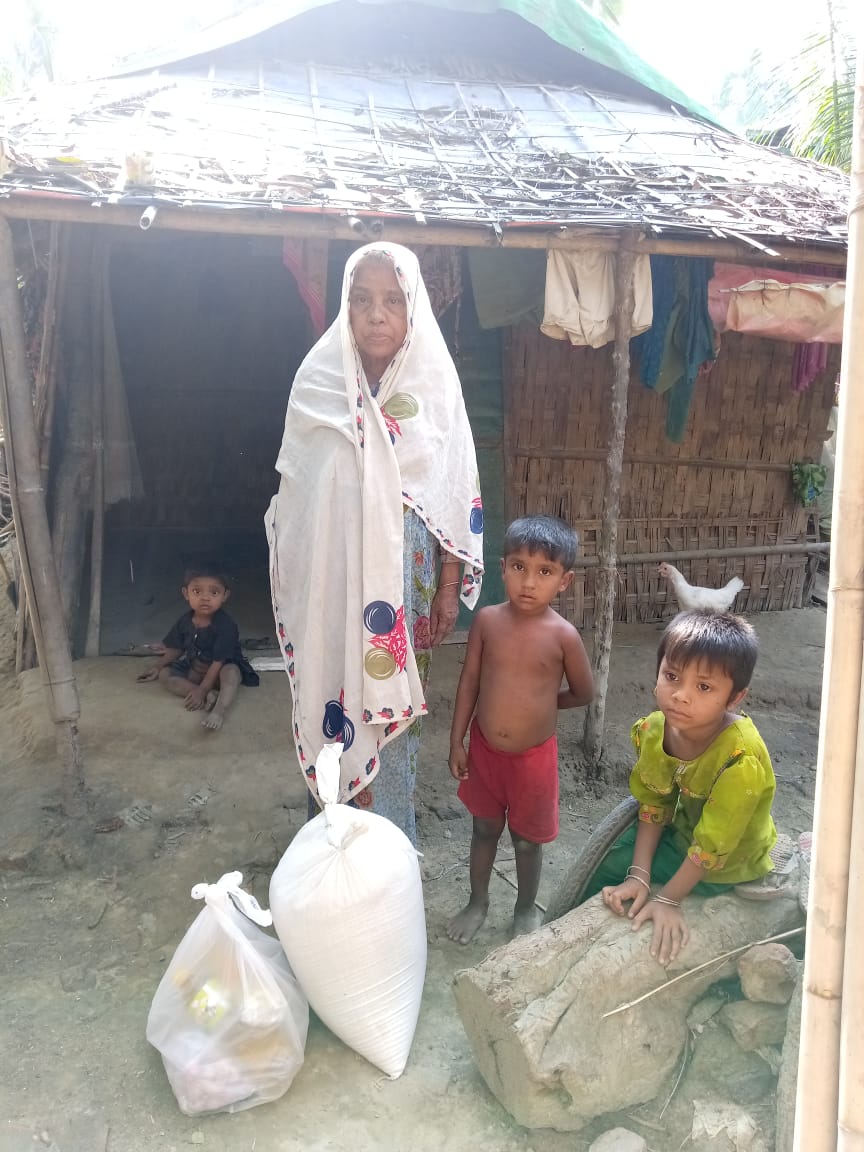
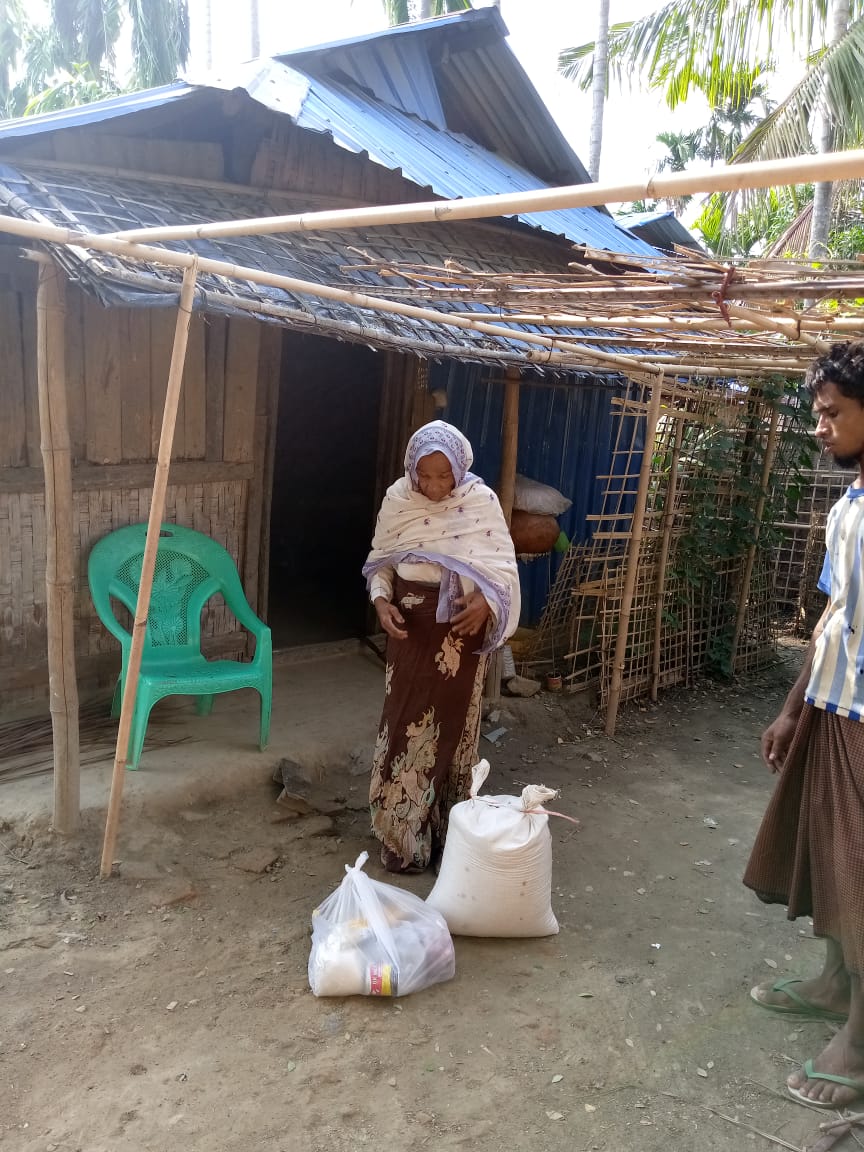
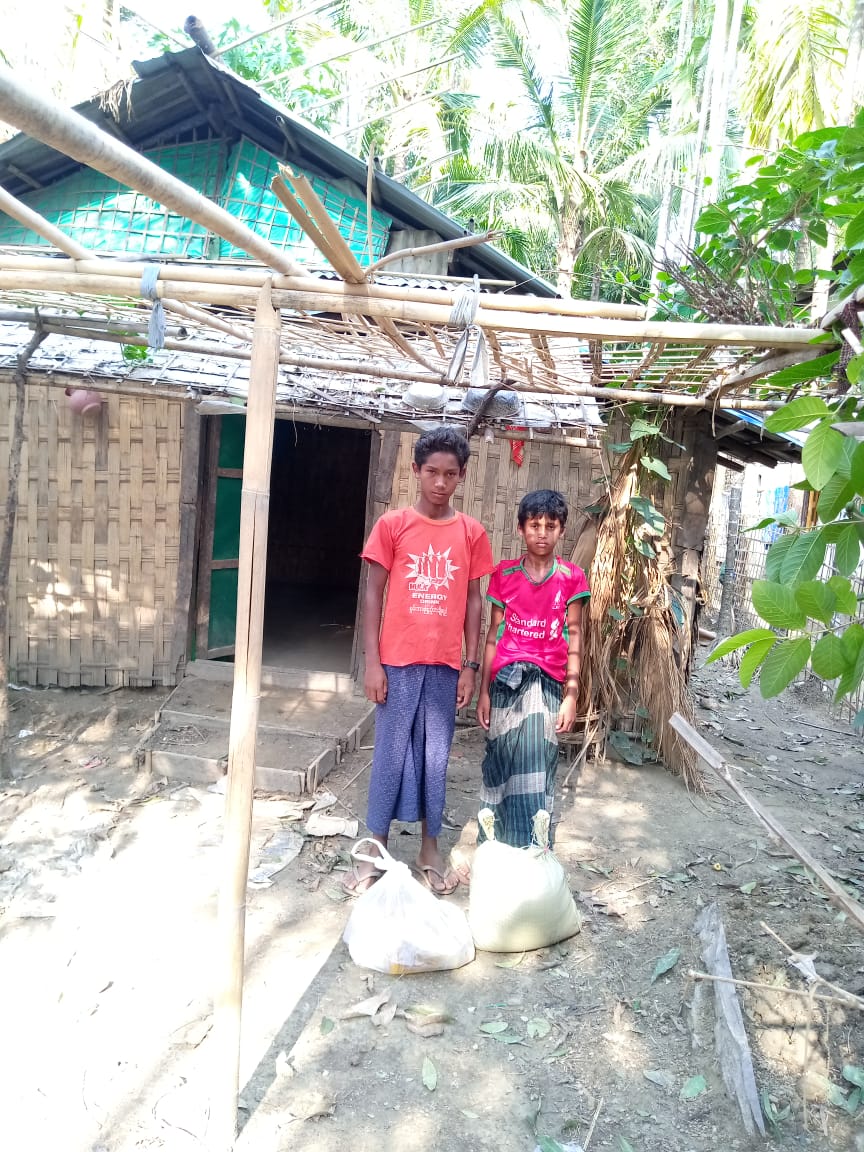
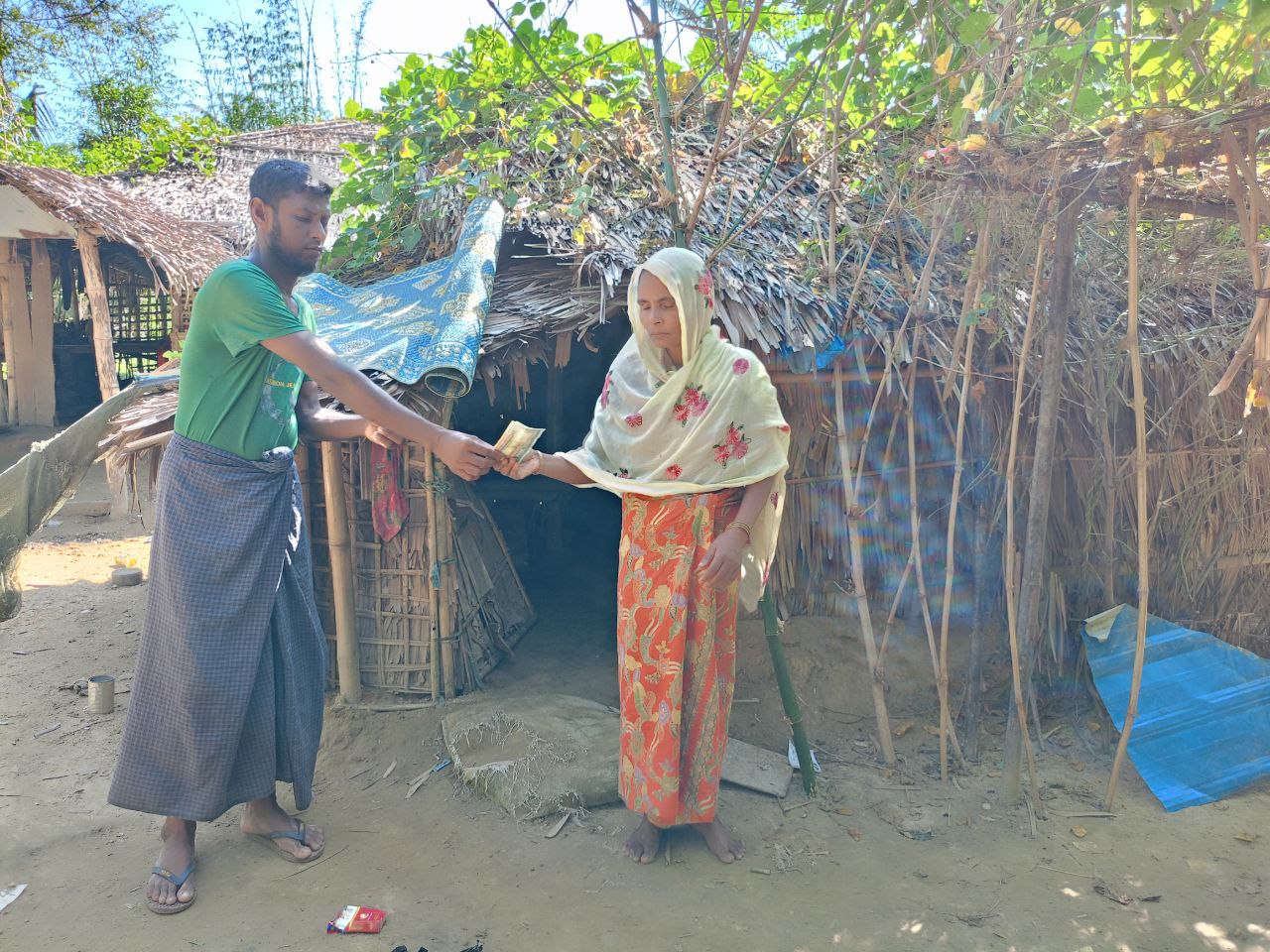
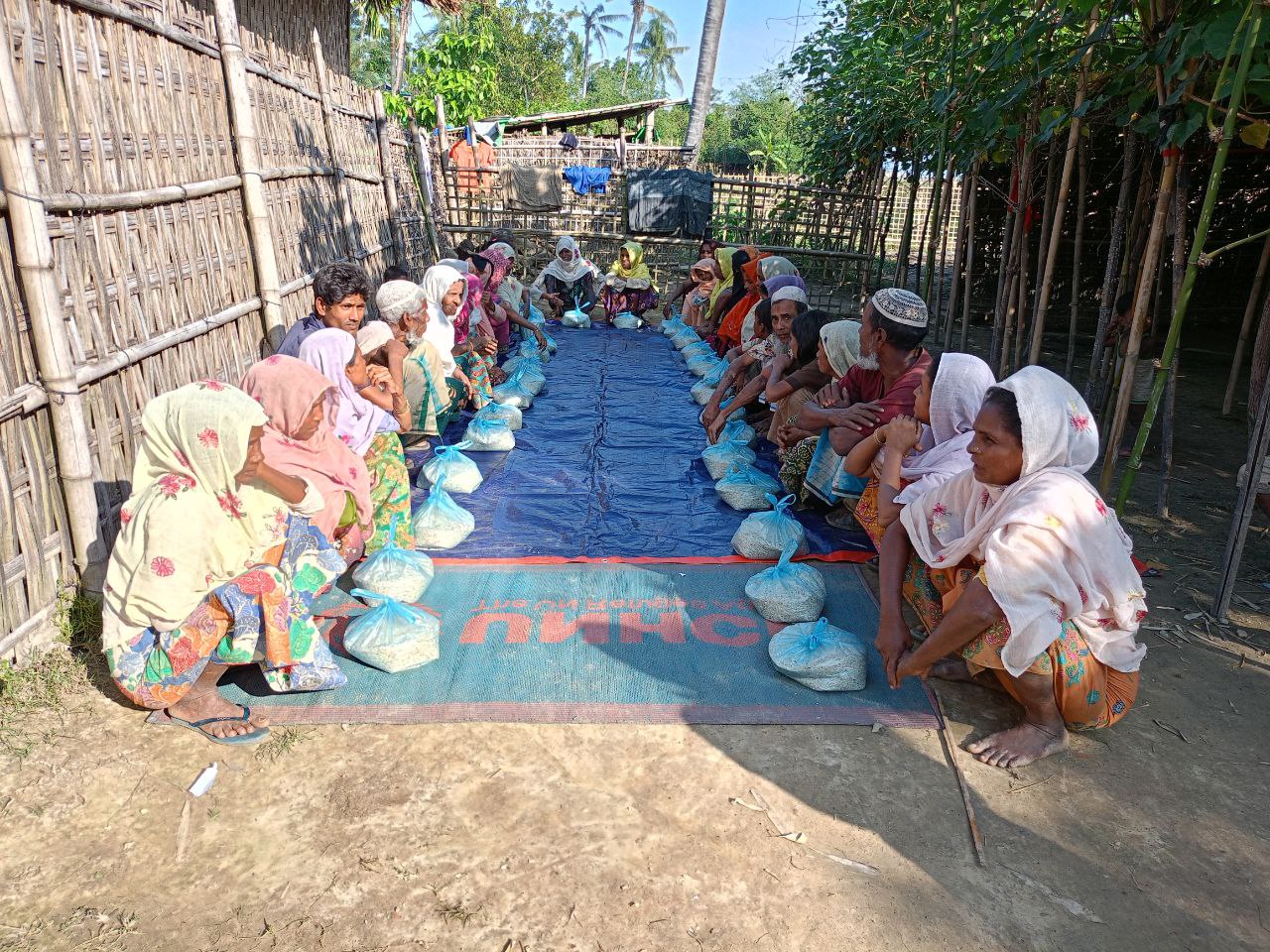
The Rohingya refugees in Cox’s Bazar, Bangladesh, and the internally displaced persons (IDPs) in Myanmar’s Rakhine State represent two critical aspects of the Rohingya humanitarian crisis.
In Cox’s Bazar, over 1.1 million Rohingya have sought refuge from the violence and persecution in Myanmar, living in one of the world’s largest and most densely populated refugee camps.
These refugees face immense challenges, including inadequate shelter, limited access to healthcare, and a lack of educational opportunities for children.
Meanwhile, in Rakhine State, the situation for the Rohingya IDPs remains dire, with ongoing conflicts exacerbating their vulnerability. Many IDPs live in camps with restricted movement, severely impacting their access to jobs, education, and healthcare.
Both groups suffer from the effects of systemic discrimination, with their plight rooted in long-standing ethnic tensions and denied citizenship rights in Myanmar. The international community continues to strive for solutions that will ensure their safety, dignity, and the right to return home, but progress is slow, leaving the Rohingya in a state of uncertainty and despair.